The right lifting belt can add dependable bracing support during heavy squats, deadlifts, presses, and other demanding strength exercises—without requiring a premium budget.
We compared 10 weightlifting belts under $100 across materials, closure systems, support profiles, adjustability, and training use cases so you can choose a belt that fits your routine and lifting style.
Best 10 Weightlifting Belts Under 100 Picks for 2026
Durable Leather Pick
Gymreapers Leather Weightlifting Belt

- Real leather with reinforced stitching
- 4-inch support for the back and core
- Adjustable buckle fit and compact roll-up design
Best For: Lifters wanting a lightweight leather belt for squats and bodybuilding
Competition-Ready Nylon
Element 26 Self-Locking Weight Lifting Belt

- Self-locking full-metal buckle
- Infinitely adjustable 4-inch nylon profile
- Breathable, washable, and competition approved
Best For: Olympic lifting, powerlifting, and functional-fitness training
Heavy-Lift Lever Option
POZTEV 10mm Leather Lever Belt

- Quick-release lever buckle
- Thick leather with 4-inch back support
- Designed for heavy squats and deadlifts
Best For: Powerlifters wanting substantial leather support and fast adjustments
Comfort-Focused Auto-Lock
6-Inch Nylon Weightlifting Belt
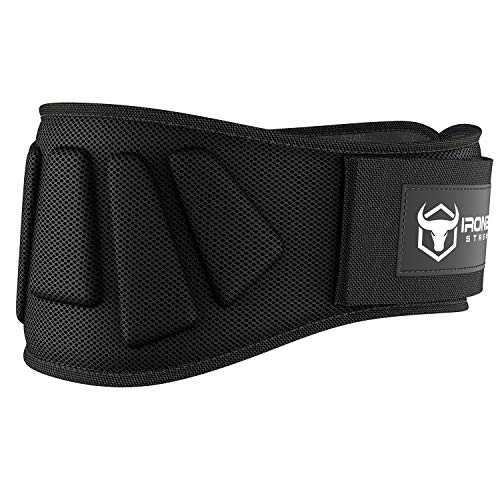
- Broad 6-inch back and abdominal support
- Auto-lock roller buckle with hook-and-loop strap
- Lightweight neoprene and breathable mesh
Best For: Cross-training and general fitness lifting with comfort-focused support
Best Competition-Ready Belt
Iron Bull Strength Performance Auto-Locking Belt

- IWF and USAW approved
- Lightweight 100% nylon construction
- Auto-locking buckle with lifetime warranty
Best For: Olympic lifting, functional fitness, and mobile training
Best Leather Support
Genuine Leather Heavy-Duty Lifting Belt

- Double-sided leather construction
- Suede lining for added comfort
- Reinforced stitching for demanding use
Best For: Powerlifting and heavy strength training
Best Cushioned Lumbar Support
DMoose Fitness 6-Inch Neoprene Belt

- Six-inch back support
- Breathable foam core cushioning
- Adjustable hook-and-loop closure
Best For: Squats, deadlifts, and intense everyday workouts
Best Leather Stability Pick
RDX 6mm Leather Powerlifting Belt

- 6mm genuine cowhide leather
- Uniform 4-inch support
- 12-hole dual-prong buckle
Best For: Traditional leather support for squats and deadlifts
Best Adjustable Support
RDX Cowhide Leather Padded Belt

- 7mm cowhide leather
- 4-inch or 6-inch support options
- 10-hole dual-prong buckle
Best For: Padded lumbar support with flexible sizing choices
Best Auto-Lock Design

- Auto-locking closure system
- 6.5-inch padded back
- Contoured polyester-and-nylon design
Best For: Convenient padded support for strength-training workouts
Durable Leather Pick – Gymreapers Leather Weightlifting Belt
For shoppers comparing weightlifting belts under 100, the Gymreapers leather belt is a durable, supportive option for bodybuilding and compound lifts. Its 4-inch real-leather profile, reinforced stitching, buckle closure, and multiple adjustment holes are designed for a secure, personalized fit.
Best For: Lifters who want a lightweight leather belt for squats, bodybuilding, and general lower-back support.
Pros:
- Real leather construction with reinforced stitching.
- 4-inch width supports the back, spine, and core.
- Multiple adjustment holes and a lightweight metal buckle help customize the fit.
- Rolls up for relatively compact gym-bag storage.
Cons:
- Leather may require more care than nylon.
- The listed medium size has a 38-inch waist specification, so sizing should be checked carefully.
This is a practical choice if durability and traditional leather construction matter more to you than an ultra-light nylon design. Confirm the waist measurement before ordering.
Competition-Ready Nylon – Element 26 Self-Locking Weight Lifting Belt
Among weightlifting belts under 100, the Element 26 stands out for its self-locking metal buckle and infinitely adjustable nylon design. The straight 4-inch profile is built to provide consistent pressure during squats, deadlifts, cleans, snatches, and jerks.
Best For: Olympic lifters, powerlifters, and functional-fitness athletes who want breathable nylon and quick release.
Pros:
- Full-metal self-locking buckle engages under load and releases quickly.
- Premium nylon conforms to the core and does not require a break-in period.
- Double-reinforced stitching supports durability.
- Hand-washable construction folds easily for gym-bag storage.
Cons:
- The uniform 4-inch profile may offer less contour than a tapered belt.
- The supplied medium specification lists an 89-centimeter waist, so sizing should be verified.
Its combination of precise adjustability, breathable material, and competition-oriented design makes it a versatile pick for athletes moving between several lifting styles.
Heavy-Lift Lever Option – POZTEV 10mm Leather Lever Belt
For buyers seeking weightlifting belts under 100 with a powerlifting-oriented build, this leather lever belt offers a thick, supportive design. Its 9mm-to-10mm listed thickness, 4-inch back support, and quick-release lever are suited to heavy squats, deadlifts, and other compound movements.
Best For: Powerlifters and strength trainees who prioritize thick leather support and fast lever adjustments.
Pros:
- Lever mechanism allows quick tightening, loosening, and release.
- Strong leather construction provides a substantial support platform.
- 4-inch vertical back support is designed for heavy lifting.
- Includes stated one-year free replacement warranty and customer support.
Cons:
- Thicker leather may feel less flexible than nylon.
- Lever belts are less convenient for frequent, small fit changes between users.
- The listing contains both 9mm and 10mm thickness references, so specifications should be confirmed.
This belt favors stability and rapid lever operation over minimal bulk. Check both the waist range and thickness details before purchasing, especially if competition specifications matter.
Comfort-Focused Auto-Lock – 6-Inch Nylon Weightlifting Belt
This 6-inch nylon belt is a practical contender among weightlifting belts under 100 for users who want broad back support without a rigid leather build. Its contoured design, auto-lock roller buckle, neoprene construction, and mesh fabric are intended to balance stability, comfort, and mobility.
Best For: Fitness, cross-training, and recreational lifters who want breathable support for squats, deadlifts, and rows.
Pros:
- Wide 6-inch front and rear areas provide broad back and abdominal support.
- Contoured, tapered shape is designed to improve movement comfort.
- Auto-lock roller buckle and hook-and-loop strap help secure the belt.
- Neoprene and mesh construction is lightweight and breathable.
Cons:
- The wider 6-inch design may feel more restrictive than a standard 4-inch belt.
- Neoprene and nylon may not provide the rigid feel of thick leather.
- Sizing requires measuring the true waist rather than relying on pants size.
Choose this model if comfort, ventilation, and broad support are priorities. Follow the supplied sizing guidance closely, particularly when between sizes.
Best Competition-Ready Belt – Iron Bull Strength Performance Auto-Locking Belt
If you want weightlifting belts under 100 for Olympic lifting, functional fitness, or general strength training, this nylon model offers a lightweight design with a secure auto-locking buckle and hook-and-loop closure. Its contoured shape and 4.5-inch support sections are designed for balanced back and core coverage.
Best For: Olympic lifters, functional fitness athletes, and trainees who want a lightweight, competition-approved belt.
Pros:
- IWF and USAW approved for competition use.
- Auto-locking steel buckle provides an adjustable, secure fit.
- Lightweight, breathable nylon construction supports freedom of movement.
- Backed by a lifetime warranty.
Cons:
- The supplied details list only a medium size with a 35-inch waist.
- Nylon construction may provide a less rigid feel than a leather belt.
This is a versatile choice when mobility, easy adjustment, and competition eligibility matter more than a heavy-duty leather feel.
Best Leather Support – Genuine Leather Heavy-Duty Lifting Belt
Among weightlifting belts under 100, this genuine leather option is aimed at lifters who prefer a substantial, durable design for strength training. Its widened profile, suede lining, buckle closure, and reinforced stitching provide structured support for the back and abdomen.
Best For: Powerlifting, heavy gym training, and lifters who prefer a padded leather belt.
Pros:
- Double-sided leather construction is designed for durability.
- Suede lining adds padding and helps improve skin comfort.
- Widened design supports the back and abdominal area.
- Top stitching reinforces the belt for high-strength use.
Cons:
- Leather may feel heavier and less flexible than nylon or neoprene.
- Accurate sizing requires measuring true waist size rather than pant size.
- The supplied listing identifies the example size as large, so size availability should be checked.
This belt suits traditional strength-training preferences, but careful measuring is especially important because the listed size ranges are based on actual waist measurements.
Best Cushioned Lumbar Support – DMoose Fitness 6-Inch Neoprene Belt
For shoppers comparing weightlifting belts under 100, this DMoose model emphasizes broad lumbar coverage and cushioning. The 6-inch back support, breathable foam core, contoured shape, and adjustable hook-and-loop closure are designed for squats, deadlifts, and intense workouts.
Best For: Men and women who want cushioned lumbar support and quick adjustability during heavy lifting.
Pros:
- Six-inch back support provides broad lumbar coverage.
- Neoprene and nylon construction balances flexibility and durability.
- Breathable 0.375-inch foam core adds cushioning.
- Hook-and-loop closure allows a snug, adjustable fit.
Cons:
- The broad 6-inch design may feel less minimal than a narrower belt.
- Hook-and-loop closure may appeal less to lifters who prefer a buckle-only system.
- The supplied details identify a medium model, so fit should be verified before ordering.
This is a practical everyday training belt for lifters who prioritize cushioning, broad support, and easy adjustment over a rigid leather construction.
Best Leather Stability Pick – RDX 6mm Leather Powerlifting Belt
For shoppers comparing weightlifting belts under 100, this RDX model is a straightforward leather option built for bracing during squats, deadlifts, Olympic lifts, and cross-training. Its uniform 4-inch width and 6mm cowhide construction prioritize consistent torso support.
Best For: Lifters who want an all-leather belt with even 4-inch support and a traditional dual-prong buckle.
Pros:
- 6mm genuine cowhide leather supports core bracing and abdominal pressure.
- Uniform 4-inch width provides consistent support around the torso.
- Dual-pronged roller buckle offers 12 adjustment holes.
- Suede lining, reinforced rivets, and industrial-grade stitching support durability.
Cons:
- The leather construction may feel less flexible than a fabric belt.
- Available sizing requires careful waist measurement rather than relying on pant size.
This is a solid choice when durable materials and steady, uniform support matter more than a lightweight design. Check the listed waist range carefully before ordering.
Best Adjustable Support – RDX Cowhide Leather Padded Belt
Among weightlifting belts under 100, this RDX belt stands out for its choice of 4-inch or 6-inch back support and padded design. The 7mm cowhide-and-suede construction is intended for heavy training, including squats, deadlifts, Olympic lifting, and cross-training.
Best For: Lifters seeking padded lumbar support, multiple width options, and a broad size range.
Pros:
- 7mm genuine cowhide leather is designed for durability and pressure management.
- Available in 4-inch and 6-inch versions with a wide padded back.
- Dual-pronged roller buckle uses 10 precision-drilled adjustment holes.
- Suede inner lining is intended to improve comfort during extended workouts.
Cons:
- The many size options make measuring around the belly button especially important.
- The padded, wider-back design may feel bulkier than a simpler belt.
This model is a practical fit for buyers who want leather construction but prefer additional padding and configuration choices. Follow the supplied measuring instructions, and choose the upper size if between sizes.
Best Auto-Lock Design – RDX RX3 6.5-Inch Padded Belt
For those browsing weightlifting belts under 100, the RDX RX3 offers a fabric-based alternative to traditional leather belts. Its contoured profile, 6.5-inch padded back, and auto-locking closure are designed for support during strength training, deadlifts, and squats.
Best For: Lifters who prioritize a contoured fit, padded back support, and a hook-and-loop closure with auto-locking tension.
Pros:
- Auto-locking roller buckle and hook-and-loop strap are designed to resist accidental opening.
- 6.5-inch back section combines Blacktop fabric, compressed EVA-Lution, and SpongEX materials.
- Contoured design follows the body’s shape without unnecessarily restricting movement.
- Polyester-and-nylon construction includes sturdy stitching and nylon piping.
Cons:
- It uses polyester rather than the genuine leather found in the other listed models.
- The supplied listing identifies a medium size, so fit should be checked against the size chart.
This belt makes the most sense for shoppers who want a wider padded back and a convenient closure system rather than a traditional leather build. Measure your waist and consult the size chart before purchasing.
How We Picked the Best Weightlifting Belts Under 100
We focused on belts that provide practical support for strength training while staying below the $100 price point. Our comparison considers construction materials, belt width and thickness, closure design, adjustment range, padding, and suitability for movements such as squats and deadlifts.
Leather models typically offer a firm, durable feel, while synthetic belts can be lighter and easier to adjust. We also included both traditional prong or lever-style designs and quick auto-lock systems, since the best choice depends on how often you change settings and how securely you want the belt to fit.
Quick Comparison
| Feature | What to look for | Best suited to |
|---|---|---|
| Material | Leather for rigidity; synthetic materials for lighter comfort | Heavy lifting or versatile training |
| Closure | Prong, lever, or auto-lock mechanism | Fine adjustment or fast setup |
| Profile | Uniform width or wider lumbar support | Powerlifting, bodybuilding, or general fitness |
| Fit range | Multiple holes or adjustable sizing | Users who want room for layering or changing body composition |
Key Buying Factors for Weightlifting Belts Under 100
Material and Stiffness
Choose leather when you want a firm, supportive belt that can withstand frequent heavy training. A padded or synthetic design may be more comfortable for mixed workouts, CrossFit-style sessions, or occasional use.
Width and Thickness
Wider, thicker belts generally provide more rigid support, especially for powerlifting movements. A narrower or contoured design may allow better mobility for Olympic lifts, lunges, and exercises requiring more torso movement.
Closure and Adjustability
Prong closures are familiar and offer several sizing positions. Lever belts can feel secure and consistent but may require more setup when your preferred tightness changes. Auto-lock belts are convenient for quick adjustments between exercises.
Comfort and Fit
A belt should feel snug around the abdomen without restricting breathing or digging sharply into the ribs and hips. Measure according to the manufacturer’s instructions rather than relying only on your usual clothing size.
Who Should Buy Which Weightlifting Belts Under 100?
For powerlifting and heavy compound lifts: Choose a thick leather belt with a firm, stable profile and a closure that holds its setting reliably.
For bodybuilding and general gym training: A padded, adjustable belt can provide useful lumbar support without feeling excessively rigid during varied workouts.
For Cross-Training or frequent exercise changes: An auto-lock or easily adjustable model is convenient when moving quickly between lifts and changing belt tension.
For beginners: Prioritize a comfortable fit, straightforward adjustment, and moderate support. A belt should complement proper bracing technique, not replace it.