If you want backup power that can run on the grid, batteries, and solar, a hybrid generator with solar input offers a flexible way to stay powered through outages and off-grid projects.
Below, we focus on the most useful options for different needs, from portable home backup systems to higher-capacity inverter-charger setups for serious whole-home planning.
Best 10 Hybrid Generator with Solar Input Picks for 2026
Whole-Home Hybrid Backup
12000W Split-Phase Solar Inverter

- 12000W pure sine wave split-phase output
- Dual MPPT solar charging up to 500V VOC
- Parallel up to 6 units with WiFi monitoring
Best For: Whole-home and off-grid installations with expandable solar input
Portable Solar Kit
1800W Power Station With 200W Panel
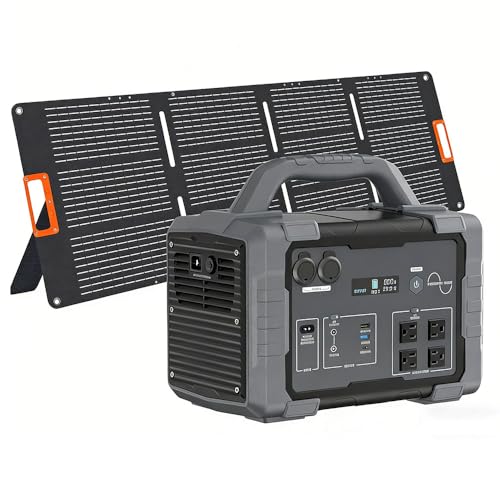
- 1800W output with 3600W surge capacity
- Includes 200W foldable solar panel
- 1024Wh LiFePO4 battery with 3,500+ cycles
Best For: Portable backup power for RVs, camping, and outages
Expandable Split-Phase System
12000W All-in-One Solar Hybrid
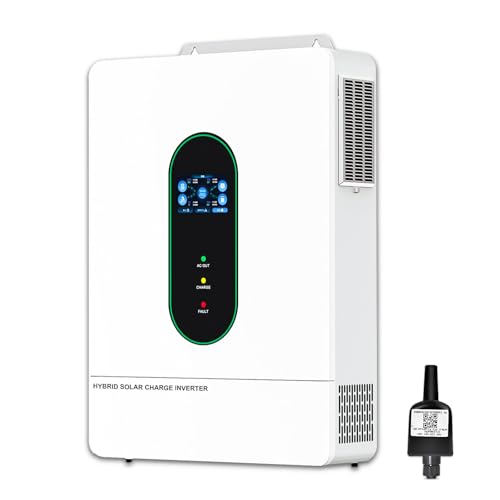
- 12000W pure sine wave split-phase output
- Dual MPPT with up to 6-unit parallel support
- Touchscreen with multiple charging modes
Best For: Scalable home power systems with flexible solar and grid management
Compact Home Backup
Anker SOLIX S2000 Solar Generator
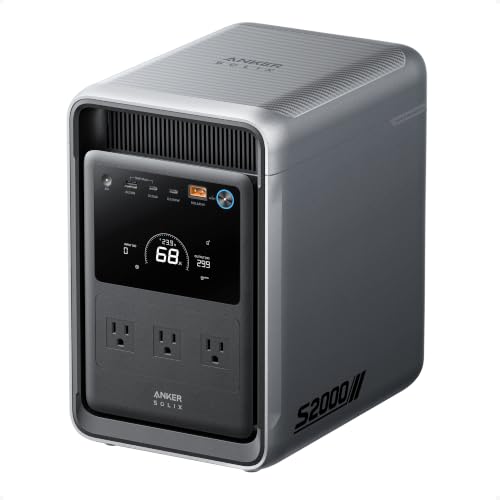
- 2,010Wh LFP battery with 10,000-cycle rating
- 1,500W output and 3,000W peak power
- Up to 400W solar input with 6 recharge methods
Best For: Portable home backup and fridge protection with solar charging support
Home Hybrid Inverter
SUMRY 4000W 24V Pure Sine Wave Hybrid Solar Inverter

- 4000W rated, 8000W peak output
- 140A MPPT supports up to 5600W PV
- Can run without battery in daytime under the right PV conditions
Best For: Home backup and off-grid systems needing solar input and 24V battery support
Portable Solar Backup
ABOK Elux1 1024Wh LiFePO4 Power Station

- 1024Wh LiFePO4 battery with 1800W output
- Up to 1000W solar input and 10ms UPS
- Expandable to 5120Wh with app control
Best For: Portable backup power for camping, RVs, and outage protection
Split-Phase Home Power
OSCAL PowerMax 6000 Solar Generator Kit
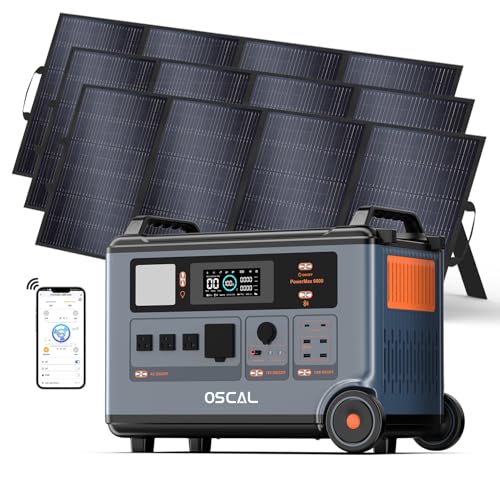
- 6000W output with 9000W surge
- 120V/240V dual-voltage split-phase support
- Includes 3x400W solar panels and fast charging
Best For: Whole-home backup and split-phase appliances with included solar input
Ultimate High-Capacity Backup
Anker SOLIX F3000 Solar Generator with 400W Panel
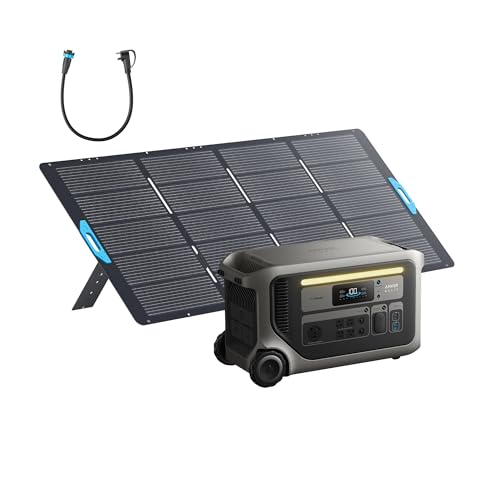
- 3,072Wh starting capacity, expandable to 24kWh
- Up to 2,400W solar charging and 6,000W combined input
- 120V output, with 240V support when pairing units
Best For: Home backup users who want a large expandable battery and fast solar-plus-generator recharging.
Compact Home Emergency Pick
Jackery HomePower 3000 with 2 Solar Panels

- 3,072Wh capacity with 3,600W output and 7,200W surge
- UL-certified UPS switches within ≤20ms
- Hybrid AC/DC recharge reaches full in 1.7 hours
Best For: Homeowners and RV users who want fast recharging, UPS support, and an all-in-one backup setup.
Fast-Charging Solar Backup
EcoFlow DELTA 3 Plus with 220W Panel
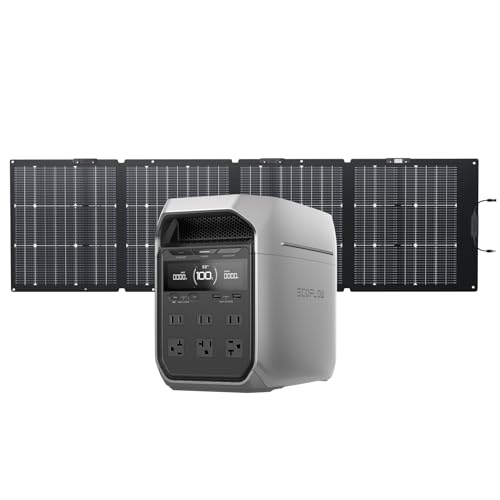
- AC charges to 80% in 40 minutes; solar to 80% in 1 hour
- Supports 13 appliances at once with X-Boost for higher loads
- LiFePO4 battery rated for 4,000 cycles and 10-year lifespan
Best For: Buyers who want rapid charging, strong appliance support, and a compact solar-ready power station.
Whole-Home Hybrid Backup – 12000W Split-Phase Solar Inverter
If you want a hybrid generator with solar input that is built more like a home energy system than a portable gadget, this 12000W split-phase inverter is aimed at serious backup use. It supports 48V battery banks, dual MPPT solar charging, and 120V/240V output, so it can be sized for homes, cabins, workshops, RV systems, and light commercial loads.
Best For: Whole-home backup and off-grid systems that need split-phase output, high solar input, and room to expand.
Pros:
- 12000W pure sine wave split-phase output for larger household and workshop loads
- Dual MPPT tracking with up to 500V VOC input and claimed 99.9% solar tracking efficiency
- Compatible with lithium, AGM, GEL, flooded, and user-defined 48V battery systems
- Parallel support for up to 6 units plus WiFi app monitoring
Cons:
- Requires a 48V battery setup, so it is not a simple plug-and-play portable unit
- Best suited to installed systems rather than casual camping or small backup needs
This is a strong fit if your priority is scalable solar-backed power with split-phase capability and remote monitoring. The UL certification and 5-year warranty add confidence, but the system is clearly designed for users ready to build a more permanent energy setup.
Portable Solar Kit – 1800W Power Station With 200W Panel
This solar generator kit is a practical pick if you want a hybrid generator with solar input in a portable, all-in-one format. It combines a 1024Wh LiFePO4 power station with a 200W foldable solar panel, and the system is sized to handle everything from kitchen appliances to tools during camping trips or emergency outages.
Best For: Portable home backup, RV travel, camping, and emergency use with included solar charging.
Pros:
- 1800W continuous output with 3600W surge for demanding appliances
- Included 200W solar panel with up to 23.5% conversion efficiency
- LiFePO4 battery rated for 3,500+ cycles to 80% capacity
- Supports fast 1.5-hour AC charging and has 10 output ports
Cons:
- 1024Wh capacity is smaller than larger home-backup power stations
- Solar panel output is helpful, but still modest for faster recharge scenarios
For users who want clean backup power without a permanent install, this kit keeps the setup simple. The included panel, rugged design, and five-year warranty make it a straightforward option for mobile and emergency power needs.
Expandable Split-Phase System – 12000W All-in-One Solar Hybrid
If you need a hybrid generator with solar input that can grow into a larger installed system, this all-in-one 12kW inverter is built for that job. It supports 48V batteries, built-in dual MPPT solar charging, and split-phase 120V/240V operation, making it a flexible choice for households that want to reduce grid dependence and manage energy priorities more actively.
Best For: High-power home systems that need configurable charging modes, parallel expansion, and split-phase output.
Pros:
- 12000W output with pure sine wave split-phase or single-phase operation
- Supports up to 6 units in parallel for a combined 72kW maximum
- Built-in dual MPPT controllers with up to 500Vdc PV input
- Touchscreen controls and multiple charging/output modes for system tuning
Cons:
- Designed for installed battery systems, not portable use
- Warranty is one year, shorter than some competing products
This model stands out for flexibility: it offers several operating modes, touchscreen control, and strong expansion potential. If your goal is a serious solar-backed backup system with room to scale, it is one of the more versatile options here.
Compact Home Backup – Anker SOLIX S2000 Solar Generator
For buyers looking for a hybrid generator with solar input in a portable, premium power-station format, the Anker SOLIX S2000 is built around practicality. It offers 2,010Wh of LFP storage, up to 400W solar input, and enough output to run most home essentials, while staying notably compact and light for its class.
Best For: Fridge backup, home emergencies, and portable power when size and cycle life matter.
Pros:
- 1,500W continuous output with 3,000W peak power
- Supports up to 400W solar input and six recharge methods
- 10,000-cycle LFP battery with long advertised lifespan
- Small and light for a 2kWh-class power station at 35.7 lbs
Cons:
- Solar panel is optional, so the full solar setup costs more if added separately
- No 12V DC port, which may limit some accessory use cases
This is a sensible choice if you want dependable backup power without moving into a large installed system. The combination of long battery life, compact size, and solar charging support makes it a strong everyday emergency power option.
Home Hybrid Inverter – SUMRY 4000W 24V Pure Sine Wave Hybrid Solar Inverter
If you want a hybrid generator with solar input for whole-home style backup or off-grid use, this SUMRY unit is built around direct solar use, battery support, and utility power prioritization. It can run loads from PV in daylight, or work with 24V AGM, gel, lead-acid, lithium-ion, or LiFePO4 batteries for more flexibility.
Best For: Home backup, workshops, and off-grid setups that need a 24V hybrid inverter with strong solar input.
Pros:
- 4000W rated output with 8000W peak capacity
- Built-in 140A MPPT controller supports up to 5600W PV input
- Can operate without a battery in daytime when PV input is high enough
- Pure sine wave output is designed for sensitive appliances
Cons:
- Requires a 24V battery system if you want the most stable hybrid setup
- Daytime battery-less operation depends on PV input voltage being above 120V and no grid connection
- Not a portable all-in-one power station; it is an installed inverter system
This is a practical choice if you want solar-first operation with configurable charging priorities and clear LCD controls. The glass top cover and cooling fans add convenience, but the bigger appeal is its ability to blend solar, battery, and utility power in one system.
Portable Solar Backup – ABOK Elux1 1024Wh LiFePO4 Power Station
For shoppers comparing a hybrid generator with solar input in a portable format, the ABOK Elux1 is aimed at backup power, camping, and RV use. It pairs a 1024Wh LiFePO4 battery with 1800W pure sine wave output and accepts up to 1000W of solar input for faster recharging.
Best For: Portable home backup, camping, RVs, and users who want UPS support plus solar charging.
Pros:
- 1024Wh LiFePO4 battery with 4000+ cycle rating
- 1800W continuous pure sine wave output for common appliances and electronics
- Up to 1000W solar input via dual XT60 connections
- 10ms UPS switchover helps keep sensitive gear running
Cons:
- Solar panels are sold separately
- Not as large as full home-backup stations with higher wattage
- At 29 pounds, it is portable but not ultra-light
This model makes sense if you want a compact, expandable power station that can charge quickly and back up essential devices without interruption. The app control and broad port selection make it versatile for both travel and emergency use.
Split-Phase Home Power – OSCAL PowerMax 6000 Solar Generator Kit
If you need a hybrid generator with solar input that can handle more demanding household loads, the OSCAL PowerMax 6000 is built for high-capacity backup. It combines a 3600Wh LiFePO4 battery with 6000W AC output, 120V/240V dual-voltage support, and very fast AC or solar charging.
Best For: Home backup, split-phase appliances, and users who want bundled solar charging hardware.
Pros:
- 6000W output with 9000W surge and 120V/240V dual-voltage support
- 2400W solar charging and 2200W AC charging for fast top-ups
- Includes 3x400W solar panels in the package
- EPS switchover of 5-8 ms for uninterrupted backup
Cons:
- Large and heavy at 45.5 kg
- More of a home backup system than a grab-and-go portable unit
- Higher-capacity setup may be more than casual camping users need
This is the strongest match here if your priority is serious home emergency power with solar charging included. The high output, split-phase capability, and bundled panels make it a practical all-in-one backup solution for bigger loads.
Ultimate High-Capacity Backup – Anker SOLIX F3000 Solar Generator with 400W Panel
If you want a hybrid generator with solar input built for serious backup, the Anker SOLIX F3000 stands out with a 3,072Wh starting capacity, 120/240V output, and very fast recharging. It is a strong fit for outages, camping, RV use, and emergency planning, especially if you want the ability to combine solar and generator charging for faster recovery.
Best For: Home backup users who want a large expandable battery and fast solar-plus-generator recharging.
Pros:
- Supports ultra-fast 2,400W solar recharging with portable or rigid panels.
- Can reach 6,000W charging when combining fuel generator and solar input.
- Expandable from 3kWh up to 24kWh for longer outage coverage.
- Offers 120V operation and 240V support when pairing two units.
Cons:
- At 91.49 pounds, it is heavy for frequent moving.
- Designed more for backup and expansion than ultra-light portability.
The F3000 is best for buyers who want a high-capacity, long-runtime power station with flexible solar integration and serious expansion potential. If your priority is dependable whole-home-style backup rather than compact size, this is a very capable option.
Compact Home Emergency Pick – Jackery HomePower 3000 with 2 Solar Panels
The Jackery HomePower 3000 is a practical hybrid generator with solar input for users who want dependable home backup in a relatively compact package. With 3,072Wh of capacity, 3,600W output, and support for hybrid AC/DC charging, it is set up for outages, RV use, and everyday emergency readiness.
Best For: Homeowners and RV users who want fast recharging, UPS support, and an all-in-one backup setup.
Pros:
- 3,600W output with 7,200W surge for common household loads.
- UL-certified UPS switches within ≤20ms for sensitive devices.
- Fully recharges in 1.7 hours via hybrid AC and DC charging.
- Includes RV-friendly TT-30 port and a mix of AC, USB-C, USB-A, and DC outputs.
Cons:
- Solar charging to 80% takes 9 hours with the included 2x200W panels.
- Best suited to essentials rather than heavy whole-home power demands.
This model makes sense if you want a balanced backup solution that combines fast AC-based recharge, solar compatibility, and UPS protection. It is especially appealing for households that need reliable power for essentials without moving up to a larger station.
Fast-Charging Solar Backup – EcoFlow DELTA 3 Plus with 220W Panel
The EcoFlow DELTA 3 Plus is a strong hybrid generator with solar input if your priority is quick charging and flexible daily use. It supports multiple recharge methods, including AC, solar, alternator, smart generator, and hybrid AC plus solar charging, making it a versatile choice for home backup, camping, and RV trips.
Best For: Buyers who want rapid charging, strong appliance support, and a compact solar-ready power station.
Pros:
- Charges to 80% in 40 minutes with AC input.
- Solar charging reaches 80% in about 1 hour and full charge in 70 minutes.
- Supports 13 appliances at once with X-Boost for higher-demand resistive loads.
- Uses LiFePO4 cells rated for 4,000 cycles and a 10-year lifespan.
Cons:
- Included power station and solar panel ship separately.
- At 1,024Wh, it has less total capacity than larger home-backup systems.
If you want speed and flexibility more than raw storage size, the DELTA 3 Plus is a compelling option. Its quick hybrid charging, broad output support, and durable battery design make it well suited to frequent use.
How We Picked the Best Hybrid Generator with Solar Input
We prioritized real-world usefulness: solar input capacity, battery size or inverter output, surge performance, expandability, charging speed, and whether the system is practical for home backup or portable use. We also looked for clear specifications, strong safety features, and the kind of build quality buyers expect from a Hybrid Generator with Solar Input.
Quick Comparison: What These Systems Are Best for
Not every model in this roundup serves the same purpose. Portable power stations are better for appliances, devices, and short-term backup. Larger inverter chargers and split-phase units are better for panel-based installations, higher-wattage loads, and longer outage planning. If you need mobility, choose a lighter, all-in-one unit. If you need scaling, look at units that support parallel expansion or higher solar arrays.
Key Buying Factors for a Hybrid Generator with Solar Input
Solar Input Limits
Check the maximum solar wattage and voltage range first. A larger battery does not help much if the solar input is too small for your recharge needs. Make sure the controller or built-in MPPT can handle the panel setup you plan to use.
Output Type and Voltage
Match the output to your appliances. Standard 120V is fine for many portable loads, while split-phase 120V/240V support is important for larger home circuits and heavier equipment.
Battery Chemistry and Capacity
LiFePO4 batteries are generally preferred for long cycle life and better everyday durability. Capacity, measured in watt-hours, determines how long the unit can run your essential devices between charges.
Expandable Vs. Self-Contained
Some buyers need a compact, all-in-one backup unit. Others need a system that can grow with more batteries, solar panels, or parallel inverter support. Choose based on whether you are building a simple emergency setup or a more permanent off-grid solution.
Who Should Buy Which Hybrid Generator with Solar Input?
If you want a travel-friendly backup for phones, laptops, lights, and small appliances, a portable power station is usually the best fit. If you are protecting a refrigerator, sump pump, or home office, choose a higher-output model with stronger surge handling and faster recharging. For cabins, workshops, and serious backup planning, a larger hybrid inverter system with solar input gives you the most flexibility and long-term value.
The best choice is the one that matches your load, solar budget, and installation comfort level. Start with what you must power, then choose the smallest system that can do that job reliably with room to expand.