Bike computers with navigation can make unfamiliar roads feel a lot more manageable. The best models do more than show speed and distance—they help you follow routes, stay on course, and recover quickly when you miss a turn.
In this roundup, we focus on 10 strong options for riders who want reliable route guidance, clear displays, and practical features that fit real-world cycling.
Best 10 Bike Computers with Navigation Picks for 2026
Premium Flagship
Garmin Edge 1050 Premium GPS Cycling Computer

- 3.5-inch vivid touchscreen with device-side course creation
- Road hazard alerts, speaker prompts, and bike bell
- Up to 60 hours in battery saver mode
Best For: Riders who want a top-tier navigation and training computer
Budget Route Navigator
iGPSPORT BSC200S GPS Bike Computer with Navigation

- Route creation plus imports from Strava, Ride with GPS, and Komoot
- One-touch navigation and back-to-start guidance
- Up to 25 hours battery life with Type-C charging
Best For: Budget-minded riders who want simple route navigation and solid battery life
Compact Performance Pick
Garmin Edge 840 Compact GPS Cycling Computer
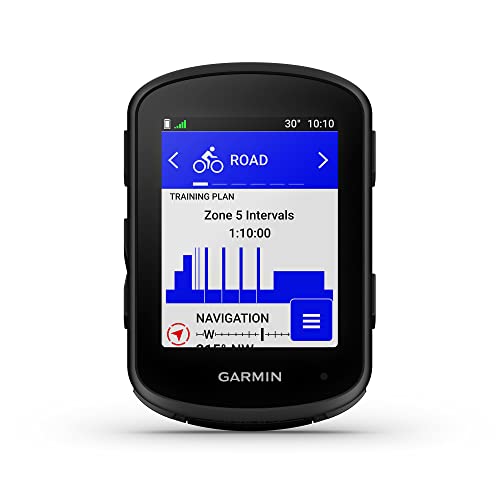
- Touchscreen and button controls in a compact body
- Multi-band GNSS for better positioning accuracy
- Ride-specific maps with ClimbPro and stamina insights
Best For: Riders who want compact navigation and advanced training tools
Touchscreen Offline Maps
iGPSPORT BSC300T GPS Bike Computer with Offline Maps
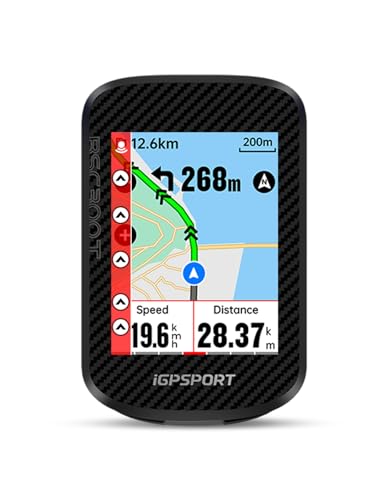
- Global offline map downloads with route preview and turn prompts
- Off-course warning plus real-time tracking for group rides
- Works with road bikes, MTBs, and e-bikes
Best For: Riders who want offline maps and route alerts on multiple bike types
Editor Pick
Compact button-controlled GPS cycling computer with advanced navigation

- Multi-band GNSS for improved position accuracy
- ClimbPro shows ascent and grade on every ride
- Up to 26 hours battery life; 42 in saver mode
Best For: Riders who want advanced navigation and button controls
Best Value Navigator
2.8" touchscreen GPS bike computer with re-route planning

- Large 2.8-inch touchscreen with 3-button backup
- Offline maps with turn prompts and street names
- Re-routes automatically when connected to the app
Best For: Riders who want a big screen and simple navigation
Premium Pick
Vivid touchscreen GPS cycling computer with speaker and live ride tools
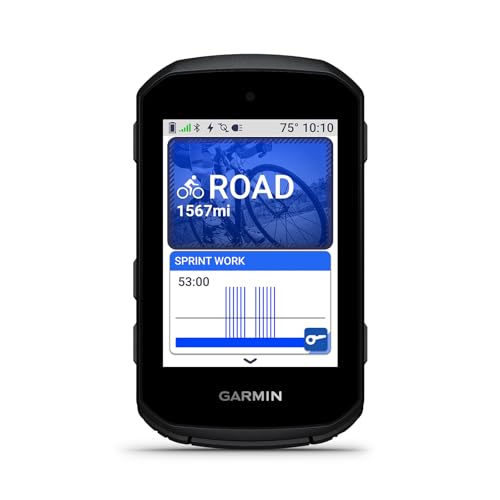
- Touchscreen plus buttons for flexible control
- Preloaded road, gravel, and trail maps with Trailforks
- Built-in speaker, bike bell, and connected ride alerts
Best For: Riders who want premium navigation and connected ride features
Premium Touch Navigation Pick

- 2.4-inch touchscreen with three-button control
- Turn-by-turn navigation and GPX route upload
- WiFi, Bluetooth, and up to 9 device connections
Best For: Riders who want a compact touchscreen bike computer with route navigation and broad connectivity
Best Value Route Guide
Magene C506SE Wireless GPS Bike Computer

- Color route navigation with turn tips and re-routing
- Fast 5-second GPS positioning with AGNSS
- WiFi, Bluetooth, and support for 9 device types
Best For: Riders who want straightforward navigation and fast wireless syncing in a lightweight computer
Large-Screen Navigation Choice

- 2.8-inch color screen for easier viewing
- Turn reminders, GPX upload, and re-routing
- WiFi/Bluetooth sync plus indoor trainer support
Best For: Riders who want a larger display for navigation and ride data
Premium Flagship – Garmin Edge 1050 Premium GPS Cycling Computer
If you want one of the most capable bike computers with navigation, the Garmin Edge 1050 is built for riders who value a big screen, detailed mapping, and a lot of ride data in one device. It combines touchscreen route planning, navigation prompts, hazard alerts, and smart connectivity with advanced training tools for longer rides and structured training.
Best For: Cyclists who want a premium navigation-first computer with a large vivid display, rich ride awareness features, and advanced training support.
Pros:
- Large 3.5-inch vivid touchscreen makes maps and prompts easy to read.
- Creates courses on the device and shows road surface type for better planning.
- Includes road hazard alerts, live locations, in-ride messaging, and incident detection when paired with a smartphone.
- Built-in speaker adds workout and navigation prompts plus a bike bell.
Cons:
- Premium feature set is more than casual riders may need.
- Best experience depends on using compatible sensors and a smartphone for some functions.
- Battery life drops to 20 hours in demanding use cases.
The Edge 1050 is the most feature-rich option here, especially if you want navigation, training, and ride safety tools in a single premium unit. It stands out for riders who plan routes often and want a larger, more polished interface.
Budget Route Navigator – iGPSPORT BSC200S GPS Bike Computer with Navigation
The iGPSPORT BSC200S is a practical pick if you want bike computers with navigation without moving into a premium price tier. It focuses on route creation, one-touch navigation, and clear ride data, while still offering Bluetooth, ANT+, and support for common route platforms.
Best For: Riders who want an affordable navigation-enabled computer with simple route loading and long battery life.
Pros:
- Supports route creation in the app and imports from Strava, Ride with GPS, and Komoot.
- One-touch navigation and back-to-start guidance make it easy to start riding quickly.
- 2.4-inch semi-transparent, semi-reflective screen is designed for clearer sunlight viewing.
- Up to 25 hours of battery life with fast Type-C charging.
Cons:
- Smaller 2.4-inch display than premium rivals.
- Navigation features are more basic than higher-end mapping units.
- Type-C cable is not included in the box.
For riders who mainly want straightforward routing, sensor support, and dependable battery life, the BSC200S offers a strong value balance. It’s a sensible entry point if you need navigation features without extra complexity.
Compact Performance Pick – Garmin Edge 840 Compact GPS Cycling Computer
The Garmin Edge 840 is a compact choice for riders who want strong navigation features in a smaller unit. It combines touchscreen and button control, multi-band GNSS, ride-specific maps, and performance tools, making it a versatile option for serious training and route-following.
Best For: Cyclists who want a smaller GPS computer with accurate navigation and a strong mix of training features.
Pros:
- Touchscreen plus button control gives flexible handling in different conditions.
- Multi-band GNSS improves positioning accuracy in challenging environments.
- Ride type-specific maps highlight popular roads, trails, and searchable points of interest.
- ClimbPro, stamina insights, and power guide add useful performance planning tools.
Cons:
- Smaller 2.6-inch screen than the Edge 1050.
- Many advanced training features depend on compatible power and heart rate sensors.
- Battery life is shorter than the battery-saver modes of larger flagship units.
The Edge 840 is a strong middle ground for riders who want accurate navigation without jumping to the largest display. It’s especially appealing if you value compact size, better positioning, and serious training support.
Touchscreen Offline Maps – iGPSPORT BSC300T GPS Bike Computer with Offline Maps
If offline mapping matters most, the iGPSPORT BSC300T is built around map navigation, route previews, and off-course warnings. It pairs a 2.4-inch touchscreen with six buttons, making it a flexible pick for riders who want navigation help on road, MTB, or e-bike rides.
Best For: Riders who want offline map navigation, course alerts, and broad compatibility across bike types.
Pros:
- Supports global offline map downloads, route preview, and turn prompts.
- Off-course warnings help you stay on the correct route.
- Compatible with road bikes, mountain bikes, and e-bikes.
- Works with ANT+ and Bluetooth 5.0 sensors plus Strava and Komoot syncing.
Cons:
- Battery life is rated at 20 hours, which is moderate for long-distance use.
- Offline map features may be more than casual riders need.
- Type-C cable is not included.
The BSC300T is a navigation-focused choice for riders who prefer downloadable maps over simple breadcrumb-style guidance. It offers a useful blend of route handling, course alerts, and broad device compatibility.
Editor Pick – Compact button-controlled GPS cycling computer with advanced navigation
If you want one of the most capable bike computers with navigation for training and route guidance, the Garmin Edge 540 is built around accuracy, planning, and ride tracking. Its button-only control scheme is especially useful in wet or rough conditions, while multiband GNSS, ride-specific maps, and ClimbPro help you stay on course and manage effort on challenging rides.
Best For: Riders who want advanced navigation, structured training support, and reliable button controls.
Pros:
- Multi-band GNSS improves positioning accuracy in demanding environments.
- ClimbPro shows remaining ascent and grade on every ride, with no course required.
- Ride-specific maps include popular roads, trails, and searchable points of interest.
- Up to 26 hours of battery life, or up to 42 hours in battery saver mode.
Cons:
- No touchscreen, which some riders may prefer for faster map interaction.
- Full coaching and performance features depend on compatible power and heart rate sensors.
Overall, the Edge 540 is a strong pick if you want navigation that feels serious and dependable without adding touch complexity. It blends route confidence with useful climbing and training tools in a compact unit.
Best Value Navigator – 2.8" touchscreen GPS bike computer with re-route planning
The GEOID CC700 Pro is a practical choice if you want bike computers with navigation that emphasize a large display and easy route following. Its 2.8-inch color touchscreen, offline map downloads, and turn prompts make it straightforward to use on new roads, while re-route planning helps you keep moving if you miss a turn.
Best For: Riders who want a big touchscreen, offline maps, and automatic rerouting at a lower-friction setup.
Pros:
- 2.8-inch color touchscreen with 3-button control for simpler operation.
- Supports offline map downloads with turn prompts, street names, and zoom.
- Re-routes your path if you go off course, when connected to the app.
- WiFi sync, firmware updates, and data transfer are built in.
Cons:
- Re-route planning depends on connection to the designated app.
- Navigation and sync features may feel less polished than premium ecosystem devices.
For riders who mainly want clear directions and a large screen, the CC700 Pro covers the essentials well. It’s especially appealing if you value map visibility and easy route recovery over advanced training depth.
Premium Pick – Vivid touchscreen GPS cycling computer with speaker and live ride tools
The Garmin Edge 850 is the most feature-rich option here for riders who want bike computers with navigation plus strong on-bike awareness tools. It combines a vivid touchscreen, buttons, detailed maps, Trailforks support, and advanced ride features like smart fueling alerts, radar overlays, and a built-in speaker for prompts and a bike bell.
Best For: Riders who want a premium navigation computer with live ride awareness, audio prompts, and advanced connected features.
Pros:
- Touchscreen and button controls give flexible operation on the bike.
- Preloaded road, gravel, and trail maps include Trailforks and Forksight mode.
- Built-in speaker, bike bell, and audible navigation/workout prompts add convenience.
- Connected features include radar overlays, group ride messaging, and incident detection.
Cons:
- Battery life is shorter than some rivals at up to 12 hours, or 36 in saver mode.
- Many of the most useful features rely on a compatible smartphone and app connection.
If you want the most complete navigation-and-awareness package in this group, the Edge 850 stands out. It is aimed at riders who value top-end guidance, safety alerts, and premium ride integration over maximum battery endurance.
Premium Touch Navigation Pick – Magene C506 GPS Bike Computer
If you want bike computers with navigation that also feel easy to use on the move, the Magene C506 is built around a compact 2.4-inch touchscreen, fast positioning, and route guidance. It combines turn-by-turn maps, GPX route import, and wireless syncing, so it works well for riders who want a modern, connected head unit without a bulky setup.
Best For: Riders who want a compact touchscreen bike computer with route navigation, fast syncing, and broad sensor support.
Pros:
- 2.4-inch color touchscreen with three-button control for flexible operation
- Turn-by-turn navigation, custom routes, and GPX upload through OnelapFit
- WiFi and Bluetooth support for fast data upload and AGNSS synchronization
- Supports up to 9 device types, including sensors, power meters, radar lights, and smart trainers
Cons:
- Some navigation and smart features depend on the OnelapFit app connection
- Smaller screen than larger navigation-focused units
- Battery life is listed up to 24 hours in endurance mode, which may vary by use
The C506 is a strong all-around option if you want navigation, training tools, and wireless convenience in one lightweight unit. Its best strengths are speed, connectivity, and feature depth for everyday riders and indoor training alike.
Best Value Route Guide – Magene C506SE Wireless GPS Bike Computer
The Magene C506 SE is a practical pick if you’re shopping for bike computers with navigation and want the essentials in a lightweight package. It offers colorful route guidance, off-course alerts, route re-planning, and GPX support, while keeping the controls simple with a 2.4-inch screen and three-button layout.
Best For: Riders who want straightforward navigation features, fast GPS lock, and easy wireless syncing in a lightweight bike computer.
Pros:
- Color route navigation with turn tips, off-course alerts, and re-planning
- Fast 5-second positioning with AGNSS support
- WiFi and Bluetooth dual protocols for quicker uploads and syncing
- Supports 9 device types for sensors, smart trainers, lights, and shifting systems
Cons:
- Some navigation features require connection with the OnelapFit app
- Smaller 2.4-inch screen than larger navigation units
- Best suited to riders who prefer button control over advanced touch interaction
This is a well-rounded option for riders who mainly want reliable route guidance and quick setup without paying for more advanced hardware. It balances navigation, syncing speed, and training support in a compact design.
Large-Screen Navigation Choice – GEOID CC700 Bike Computer
For riders comparing bike computers with navigation, the GEOID CC700 stands out with its larger 2.8-inch color screen and route tools built for easy reading on the road. It supports turn reminders, zooming, off-track re-routing, GPX imports, and fast AGNSS-based positioning, making it a solid fit for riders who value visibility and practical guidance.
Best For: Riders who want a larger display for navigation, clear ride data, and simple indoor training support.
Pros:
- 2.8-inch color screen with durable Asahi glass
- Color navigation with turn reminders, zoom, and automatic re-routing
- WiFi and Bluetooth syncing with AGNSS updates and firmware support
- Supports up to 9 device connections and free indoor training with smart trainers
Cons:
- Uses button controls instead of a touchscreen
- Navigation features rely on app-based GPX upload and setup
- Larger screen may make the unit less minimal than compact alternatives
The CC700 is a smart choice if your priority is seeing navigation and ride metrics more clearly while still keeping the computer feature-rich. It offers a good balance of screen size, route guidance, and connectivity for everyday cycling and training.
How We Picked the Best Bike Computers with Navigation
We looked for devices that balance navigation quality with everyday ride usability. That means dependable GPS performance, readable screens in bright light, intuitive route loading, rerouting support, and solid compatibility with common sensors and apps. We also considered whether each model suits road riders, commuters, gravel cyclists, and e-bike users.
Quick Comparison: What Matters Most
When comparing Bike Computers with Navigation, think beyond map support alone. Some units prioritize advanced training tools, while others focus on simple route guidance and value. Larger color touchscreens can make maps easier to read, but compact button-controlled models may be better for wet conditions or rough terrain. Battery life, mount security, and sync speed also matter on longer rides.
Key Buying Factors for Bike Computers with Navigation
Navigation Features
Look for turn-by-turn directions, off-course alerts, rerouting, and route import support. If you ride in unfamiliar areas often, reroute planning and clear prompts are especially useful.
Screen and Controls
Choose a display that matches your riding style. Touchscreens are convenient for map interaction, while physical buttons can be easier to use in rain, gloves, or vibration-heavy conditions.
GPS and Connectivity
Fast satellite lock, stable Bluetooth, Wi-Fi, and ANT+ support can improve setup, syncing, and sensor pairing. Riders who use heart-rate monitors, power meters, or cadence sensors should confirm compatibility.
Battery and Durability
For long rides, battery life is a major deciding factor. Also check weather resistance and overall build quality, especially if you ride year-round or in mixed conditions.
Who Should Buy Which Bike Computers with Navigation?
Performance-focused riders may want a more advanced unit with richer mapping and training tools. Commuters and casual riders may prefer a simpler, less expensive model with straightforward route navigation. If you want the easiest map viewing, prioritize larger screens; if you want compact simplicity, choose a smaller computer with dependable guidance. For riders building a complete setup, make sure the device works well with the sensors and apps you already use.
Overall, the best Bike Computers with Navigation are the ones that match how you ride, not just how many features they advertise.